Pool Tile Replacement and Coping Repair in Orlando: 15 Ways to Refresh Your Pool
A swimming pool in Orlando works harder than many homeowners expect. It sits through relentless UV exposure, heavy summer rain, warm water chemistry, afternoon storms, deck traffic, sunscreen residue, and long swim seasons that never really stop. That constant use shows up first in the details. Waterline tile loses its finish, grout cracks, coping shifts, corners chip, and the deck begins to look older than the rest of the yard.
Most pool renovations do not begin with a full demolition. More often, they start with a close look at the perimeter. That is where tile, coping, and the surrounding deck set the tone for the entire space. When those components are repaired or replaced thoughtfully, the pool can look cleaner, newer, and more expensive without changing its footprint.
In practice, the best results come from understanding how appearance and structure overlap. New tile can sharpen the waterline, but if coping is loose, the finish will not hold up. Fresh deck coating can brighten the pool area, but if drainage is poor, stains and cracks return. A well planned update addresses both the visible surfaces and the reasons they failed in the first place.
1) Replace faded waterline tile to sharpen the entire pool
When clients ask for the most noticeable change with the least disruption, I often point to the waterline tile first. It frames the pool. Even before anyone notices the plaster or the deck, they notice the band of tile that runs around the shell.
In Orlando, sun and chemistry tend to flatten color over time. Blue glass can lose its depth. Printed ceramic can start to look chalky. Calcium buildup leaves a pale crust that homeowners scrub repeatedly, often making the finish look worse. Once the glaze is worn or the tile is cracked, cleaning stops being a solution.
A proper pool tile replacement Orlando project does more than swap old pieces for new ones. It gives the pool a cleaner edge, updates the style, and often makes the water itself look brighter. Darker tiles can make water appear richer and more reflective. Lighter tones can open up a small backyard and make the whole setting feel cooler. The trick is choosing something that suits the deck, coping, home exterior, and the amount of maintenance the owner is realistically willing to do.
2) Repair or replace coping before small movement becomes major damage
Coping sits at one of the most important transition points in the pool. It caps the bond beam, creates the visual border, and handles foot traffic, splash-out, and temperature changes. When coping is loose or cracked, homeowners often think of it as a cosmetic issue. It is rarely only cosmetic.
I have seen hairline cracks around a few coping stones turn into persistent water intrusion after one rainy season. Once water works into the joints and underlying material, adjacent sections can begin to lift or separate. On freeform pools, the curves make these failures even more obvious because the spacing no longer looks intentional.
Pool tile and coping replacement Orlando services are often paired for this reason. If the coping is already compromised, replacing tile alone usually means doing part of the job twice. It is more efficient to stabilize the edge, reset or replace damaged coping, and then install the new tile line beneath it. That sequence protects the finished work and gives the pool a crisp perimeter that reads as intentional rather than patched.
3) Choose coping material that matches how the pool is actually used
Material selection looks simple pool repair orlando on a sample board and far more complicated on a humid July afternoon. Some homeowners fall in love with a stone based only on color, then regret it after realizing it runs hot or stains easily. Others choose the cheapest precast option and are frustrated when it does not fit the architectural style of the house.
Travertine remains popular in Central Florida because it stays relatively comfortable underfoot and works with a wide range of homes. Concrete coping can be cost effective and flexible in shape. Brick offers character, though it can create a more traditional appearance that does not suit every remodel. Natural stone can be beautiful, but porosity, maintenance, and slip resistance matter as much as color.
A family with young children who are in and out of the pool every weekend may prioritize cooler surfaces and smoother edges. A homeowner who entertains at night may care more about how the coping catches landscape lighting. These are not small details. They shape satisfaction long after the renovation invoice is paid.
4) Use grout and setting materials suited to Florida conditions
A tile job can look excellent on day one and fail early if the wrong materials were used behind the scenes. Orlando’s climate is unforgiving to shortcuts. Heat, moisture, frequent storms, and chemical exposure test every joint and bond.
The visible tile gets the attention, but grout selection, thinset compatibility, expansion planning, and substrate preparation decide longevity. I have walked onto projects where the tile choice was perfectly sound, yet hollow spots had already formed because the installer rushed surface prep or used products better suited to interior conditions.
This is one reason experienced pool contractors do not treat pool tile like kitchen backsplash. A submerged environment with outdoor movement behaves differently. Homeowners shopping bids for pool tile replacement Orlando work should look beyond square-foot pricing and ask how the edge is being prepped, what materials are being used, and whether existing structural movement is being addressed. The cheapest number often leaves out the hardest part of the work.
5) Refresh the deck so the tile and coping do not outshine everything else
There is a common renovation imbalance in which the pool edge looks brand new and the surrounding deck immediately looks ten years older. It happens often because the eye compares adjacent surfaces. New tile and coping raise the standard of everything around them.
That is why pool deck resurfacing Orlando projects frequently accompany tile and coping updates. A resurfaced deck can unify the space, cover cosmetic wear, improve slip resistance, and give the renovation a finished look. On older decks, it also helps reduce the patchwork effect caused by years of repairs, pressure washing, and sun fading.
The right deck finish depends on condition and goals. Some homeowners want a decorative coating for visual improvement. Others need more serious pool deck repair Orlando work to address cracks, spalling, settlement, or drainage issues before any topcoat goes down. Skipping that evaluation usually leads to disappointment. A coating cannot solve structural movement, and no color choice will hide standing water after every storm.
6) Correct chipped edges and broken corners before they spread
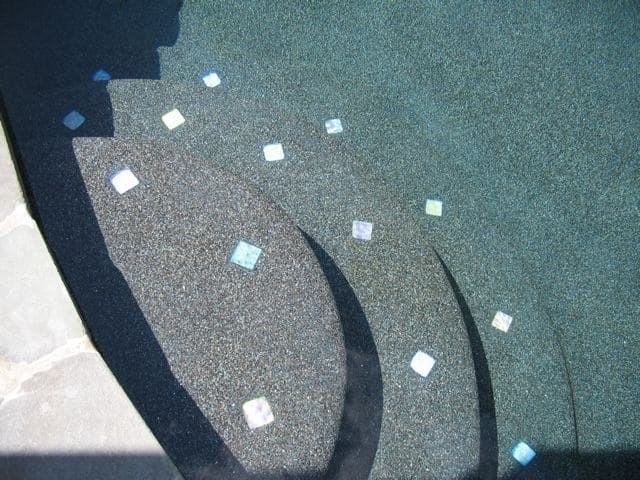
Many pools do not need a full coping replacement around the entire perimeter. Sometimes the refresh begins with selective repair. A chipped corner near the spa spillway, a cracked bullnose section at the deep end, or isolated movement by the skimmer can make the whole pool look neglected even if the rest is stable.
Targeted repairs are worthwhile when the surrounding material remains sound and the replacement pieces can be matched closely enough to look intentional. The challenge is that older coping lines are not always available, and sun exposure changes color over time. A perfect showroom match may still stand out once installed.
That is where judgment matters. In some cases, a careful localized repair makes financial sense and extends the life of the perimeter several years. In others, partial replacement becomes a false economy because the visual mismatch is obvious or the underlying movement is more widespread than it first appeared. A seasoned contractor should be able to say which situation you are in, even when the answer is not the cheaper one.
7) Rework the tile line to modernize the pool’s style
Style ages unevenly. A pool shell can remain perfectly functional while the border announces a decade that has passed. Small, busy mosaics, dated geometric motifs, and high-contrast color bands often place a pool renovation in a very specific era.
A tile line update is one of the fastest ways to modernize the pool without changing its shape. Large format porcelain, textured glass, stone-look tile, or a restrained tonal blend can make an older pool feel current. I have seen a basic rectangular pool gain an almost boutique-hotel character simply by replacing a faded patterned band with a darker, more reflective tile and pairing it with simpler coping.
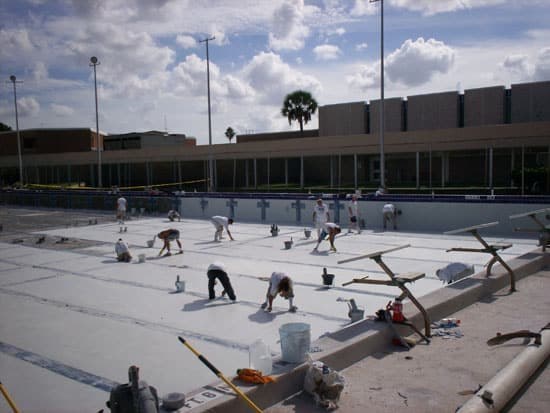
The key is restraint. Because Orlando pools live in bright sun, highly reflective materials can look dramatic at noon and harsh by late afternoon. Likewise, trendy colors that seem bold in a showroom can feel dated quickly outdoors. A refresh should improve the pool’s style life, not restart the clock on another short-lived trend.
8) Improve safety with better edge definition and surface traction
Not every pool update is about appearance. Safety often improves when tile, coping, and deck work are approached together. Worn coping can become slick. Uneven joints catch bare feet. Faded edge lines make depth transitions harder to read. Deck coatings that were once textured can wear smooth in traffic zones.
A thoughtful refresh can solve these issues quietly. Slightly contrasting coping helps define the pool edge. New waterline tile can improve visual clarity. Resurfaced decks with appropriate texture provide better traction without feeling abrasive. These choices matter for children, older adults, and anyone moving quickly around wet surfaces.
One homeowner I worked with had not realized how much the family had adjusted to the deck’s slick spots. They knew where to step and where not to. Guests did not. After the deck was repaired and resurfaced, the most common comment was not about the color. It was that the space felt easier to use.
9) Address drainage before installing beautiful new finishes
This is the part many people want to skip because it is less visible and rarely glamorous. Yet poor drainage ruins good renovation work. If water stands on the deck, repeatedly wets coping joints, or flows back toward the pool edge, deterioration accelerates.
In Orlando, intense rain can expose grading flaws in a single storm. A deck that seems fine during dry weather may pond badly once afternoon showers arrive. That water leaves organic staining, encourages movement in weak spots, and shortens the life of repairs.
Before finalizing tile and coping selections, it is worth studying where water goes. Watch the deck after rain. Look for darkened joints, recurring algae bands, and areas where the deck remains wet long after the rest has dried. These clues often explain why some sections keep failing. Repairing the symptom without fixing the path of water is one of the costliest mistakes in pool renovation.
10) Blend repairs with the home’s architecture, not just the old pool
A refresh works best when the pool begins to feel tied to the house and yard rather than isolated from them. Many older pools were built with materials that made sense at the time but do not connect well with later exterior upgrades such as new pavers, updated paint colors, or a remodeled lanai.
Tile and coping replacement is a chance to bring the pool back into that broader design conversation. A Mediterranean-style home may call for warmer stone and softer color transitions. A contemporary home often benefits from cleaner lines, larger modules, and a quieter tile palette. Tropical landscaping can support richer color, but only if the hardscape remains disciplined enough to keep the space from looking busy.
This is where samples should be reviewed outdoors, preferably at different times of day. Orlando light is strong and honest. Materials that seem refined under showroom lighting can read completely differently in full sun next to turquoise water.
11) Know when partial replacement is smart, and when it is not
Homeowners often ask whether they can replace only the visibly damaged tile or a few coping sections. The answer is yes, sometimes. The better question is whether they should.
Partial replacement makes sense when the problem is isolated, matching materials are available, and the surrounding installation still has a solid bond. It can also be useful when a homeowner plans a larger renovation later and needs a sensible stopgap now. What does not make sense is patching a pool perimeter that is broadly failing just to postpone an inevitable full replacement by a few months.
A practical way to think about it is this: if the repair solves both the appearance issue and the underlying cause, it may be worth doing. If it only disguises failure that is already moving around the pool, it is usually money spent twice. Honest assessment saves more than hopeful budgeting.
12) Pair edge work with deck expansion joint attention
Expansion joints do quiet but essential work. They allow movement between the pool shell and surrounding deck. When these joints fail, hard surfaces begin pressing against one another, which can contribute to cracking, coping stress, and water intrusion.
During pool deck repair Orlando projects, neglected expansion joints often stand out as one of the reasons the perimeter aged badly. They may be brittle, missing, separated, or filled with material that was never meant to flex. Homeowners usually notice the cracks before they notice the joint failure behind them.
A renovation that includes tile and coping should at least evaluate these joints carefully. Replacing visible finishes while ignoring failed movement accommodation is a bit like repainting a door frame after the hinge has already pulled loose. It may look better for a while, but the stress remains in place.
13) Use the renovation to simplify maintenance
Good pool design is not only what looks attractive on installation day. It is what remains manageable after twelve months of use. Some tile textures hold scale more visibly. Some grout colors highlight every chemistry fluctuation. Some coping profiles trap debris and make cleaning more tedious than necessary.
This is where field experience matters more than trends. A stunning iridescent glass tile may require a more disciplined cleaning routine to maintain its best appearance. Deeply textured stone can look impressive but collect dirt in ways that surprise homeowners. Light grout can brighten the edge but show staining sooner if water chemistry drifts.
A refresh should account for how the owner actually lives. If the goal is lower upkeep, say so upfront. There are many durable, attractive material combinations that wear gracefully and do not demand constant attention.
14) Time the work around weather, usage, and material lead times
Pool renovation scheduling in Orlando takes more strategy than many owners expect. Summer offers strong demand, frequent storms, and heavy pool use. Late spring is popular because families want the work done before vacation season. Material lead times can shift quickly, especially for imported tile or specialty coping.
There is also the practical matter of cure times and sequence. Coping, tile, grout, deck repairs, resurfacing, and sealants do not all happen in a single visit. Rushing the order or crowding trades into the same window can compromise finish quality.
A well run project usually starts with a realistic conversation about three things:
- The homeowner’s non-negotiable dates, such as parties, travel, or tenant turnover.
- The condition of the existing pool edge and whether hidden repairs are likely once demolition begins.
- Material availability, including whether alternates should be approved in advance.
Those discussions prevent the most common frustration I see, which is not the existence of delays but surprise about them. In outdoor construction, especially around pools, realistic expectations are part of the craft.
15) Treat the pool edge as an investment, not a cosmetic accessory
The strongest renovations come from a shift in mindset. Tile and coping are not decorative trim applied to a finished structure. They are exposed working surfaces at one of the most stressed parts of the pool. They handle water, movement, cleaning, weather, and traffic all at once.
When owners view the project that way, decisions improve. They budget for proper prep rather than only visible materials. They ask better questions about drainage, joints, and bond condition. They see why pool tile and coping replacement Orlando work is often tied to broader deck considerations, including pool deck resurfacing Orlando and pool deck repair Orlando services.
A pool does not have to be fully rebuilt to feel renewed. In many Orlando backyards, the most effective refresh comes from restoring the edge, refining the surfaces people touch and see every day, and making sure the structure beneath those finishes is ready for another long stretch of Florida seasons. Done well, the result is immediate. The water looks cleaner. The yard feels more finished. The pool becomes a place people want to use again, not just maintain.
For homeowners weighing their options, that is the real value of thoughtful renovation. It is not only about replacing what is worn. It is about giving the pool a sharper presence, a longer service life, and a better fit with the way the home is used now.
Classic Marcite is a swimming pool contractor in Orlando, FL, resurfacing and renovating residential and commercial pools since 1988: marcite plaster, quartz, Pebble Tec and polished aggregate finishes, pool remodeling, pool deck resurfacing, tile and coping replacement, and pool repair.
430 Fairvilla Road, Orlando, FL 32808 · Serving Orlando, Windermere, Dr. Phillips, Winter Park, Maitland, Lake Mary and Heathrow
Phone: (407) 521-6260
Website: classicmarcite.com
Find us on Google Maps