Pool Resurfacing Orlando FL: Popular Finishes That Boost Pool Value
A swimming pool in Central Florida is not a seasonal luxury. It is part of the way a home is used, judged, and valued for much of the year. Buyers notice it. Appraisers notice it. Guests notice it within seconds of stepping into the backyard. That is why pool resurfacing Orlando FL homeowners invest in is rarely just a cosmetic project. It is a structural maintenance decision with direct effects on appearance, comfort, repair risk, and resale appeal.
When a finish starts to roughen, stain, craze, or lose material, the entire pool begins to look older than it is. Water color turns flat. Steps and benches show wear first. Even a well kept deck and tidy screen enclosure cannot hide a shell that looks tired. In Orlando, where pools see intense sun, regular chemical exposure, high use, and frequent rain dilution, the finish takes a beating. A surface that looked smooth and bright ten years ago can begin showing age faster than many owners expect.
The good news is that resurfacing gives homeowners a real chance to improve both durability and perceived value at the same time. The finish you choose matters. It affects how the water reflects light, how the floor feels underfoot, how often you will likely need repairs, and what future buyers assume about the level of maintenance throughout the property.
Why finish selection matters more in Orlando
Not every market treats pool renovations the same way. In colder regions, a pool may be a niche amenity. Around Orlando, a well presented pool often feels essential, especially in neighborhoods where screened lanais, outdoor kitchens, and family entertaining are common. Buyers tend to compare one pool against another, not simply whether a pool exists.
That comparison gets very specific. People notice whether the water has a clear, inviting tone or a dull gray cast. They look at the tanning ledge, tile line, steps, and spa spillway. They run a hand along the wall. They ask how old the finish is. If they hear that a pool was recently redone with a quality surface, that can reduce the fear of immediate post purchase expense.
I have seen owners spend heavily on pavers and furniture while leaving an aging interior finish untouched. Visually, it almost never balances out. The pool itself is still the focal point. On the other hand, I have seen modest backyards look notably more expensive after a thoughtful interior resurfacing job paired with new waterline tile and correct startup chemistry. It is one of the rare projects where a practical repair can also shift the emotional impact of the whole yard.
When resurfacing becomes necessary, not optional
Some wear is expected over time, especially on plaster based pools. The issue is knowing when normal aging crosses into a problem that should not be delayed. A few warning signs come up repeatedly in pool resurfacing Orlando consultations.
- Rough areas that scrape feet or snag cleaning equipment
- Stains or discoloration that do not respond to treatment
- Visible etching, pitting, or spalling in high traffic zones
- Hairline cracking, delamination, or hollow sounding sections
- Frequent dusting, loss of material, or persistent water chemistry instability
A surface does not need to be falling apart to justify replacement. In fact, waiting too long often narrows your options. If moisture gets behind compromised plaster or bond issues spread, the prep work becomes more extensive and the total project cost can climb. For homeowners searching “pool resurfacing near me” because the finish simply looks dated, timing the project before severe failure often produces a better end result.
Standard plaster and marcite, the traditional entry point
In Florida, people often use the terms plaster and marcite interchangeably, though contractors may draw distinctions based on mix and local practice. Marcite pool resurfacing Orlando projects remain common because standard plaster is usually the most economical way to renew a gunite or concrete pool.
A fresh white plaster finish gives a classic, clean appearance. It brightens the pool immediately and can make water look crisp and light blue, especially under strong sun. For certain homes, particularly older properties with traditional styling, white plaster still looks exactly right. It does not try to steal attention. It simply reads as well maintained.
That said, standard plaster is not the longest lasting finish category. Life span depends on water balance, startup care, bather load, brushing discipline, and workmanship during application, but many owners think in terms of roughly 7 to 12 years, sometimes more under ideal care and sometimes less when chemistry is poor. Orlando heat and owner neglect can shorten that window. Plaster is also more vulnerable to etching, mottling, and visible staining than upgraded aggregate finishes.
This is where honest judgment matters. If a homeowner plans to sell in a year or two and wants a clean, marketable reset without paying for a premium finish, plaster can make perfect sense. It photographs well, freshens the pool dramatically, and addresses active surface deterioration. If the owner intends to stay long term, a higher grade finish often proves more satisfying.
For people searching pool plastering Orlando or pool replastering Orlando, the biggest mistake is comparing bids only on price per square foot. Prep quality, bond coat choice, material brand, fill timing, startup chemistry, and crew experience matter as much as the base material. A cheap plaster job that mottles early or fails at the bond line is expensive in all the ways that count.
Quartz finishes, a practical middle ground
Quartz has become a strong option for Orlando homeowners because it sits comfortably between basic plaster and premium pebble systems. A quartz pool finish Orlando buyers often ask about combines plaster with quartz aggregate, which improves surface hardness and helps the finish hold color and texture better over time.
The appeal of quartz is balance. It usually costs more than standard plaster but less than many pebble finishes. It offers broader color choices, better resistance to etching, and a more refined appearance than entry level plaster. In backyard settings where owners want an upgraded look without the more textured feel of larger exposed aggregate, quartz often lands in the sweet spot.
The visual effect is important. Quartz finishes can give water a richer tone, from soft Caribbean blue to deeper lagoon shades, depending on pigment, aggregate blend, sky conditions, and surrounding materials. That water color has real market value because buyers respond to it emotionally. A pool that looks vivid and well composed often reads as newer and better maintained.
Quartz is not immune to problems. Poor water chemistry can still stain or scale it. Inconsistent application can still lead to cosmetic issues. And some owners expect it to behave like a near permanent surface, pool resurfacing orlando which it is not. Still, when installed properly and cared for with balanced chemistry, quartz usually offers a meaningful upgrade in durability and appearance.
I often tell homeowners to consider quartz when they are already replacing tile or updating decking in a moderate renovation. It tends to complement those improvements well without pushing the project into the highest budget tier. For pool replastering orlando many mid to upper range homes in Orlando subdivisions, that makes it a very marketable choice.
Pebble finishes, strong value with a premium look
If the goal is long term durability and a more upscale visual impression, pebble finishes deserve serious attention. Pebble Tec pool resurfacing and similar exposed aggregate systems have built a strong reputation because they tend to outlast standard plaster and offer a distinctive, high end appearance.
A pebble tec pool finish Orlando homeowners choose often creates deeper, more natural water tones. The surface has visual movement because the aggregate catches light differently throughout the day. Morning sun, cloud cover, and evening landscape lighting all change the look. In the right setting, especially with modern coping and updated tile, a pebble finish can make a basic rectangular pool feel significantly more custom.
Durability is one of the major selling points. While exact life spans vary, many owners view pebble finishes as a longer term investment than plaster. They are generally more resistant to staining and etching, and they hold up well in pools that see regular family use. For homes intended as long term residences, or upscale resales where finish quality will be scrutinized, pebble often justifies its higher upfront cost.
There are trade offs. Texture is the first one. Some pebble surfaces feel noticeably more textured underfoot than plaster or quartz. Many people do not mind it, and some prefer the natural feel, but sensitive swimmers sometimes do. Material and installation costs are also higher. Repairs, when needed, may require more care to blend visually.
Still, among premium finish categories, pebble remains one of the clearest examples of spending more to create visible value. Buyers may not know every technical detail, but they often recognize that a pebble interior signals a quality renovation rather than a minimal patch job.
Polished aggregate, where comfort and luxury meet
Polished aggregate occupies an appealing corner of the market for owners who want premium aesthetics with a smoother feel than traditional exposed pebble. Some homeowners search specifically for a polished aggregate pool finish because they like the dimensional look of aggregate but do not want a coarse texture on steps, benches, or shallow lounging areas.
This finish category generally starts with an aggregate system that is then processed to create a more refined surface. The result can be striking. Water reflects light with depth, but the surface often feels more comfortable than a rougher exposed aggregate. In luxury remodels, polished aggregate pairs especially well with glass tile, geometric coping, and clean architectural landscaping.
The value question here depends on the home. On a modest property where nearby sales do not support top tier outdoor upgrades, polished aggregate may be more about owner enjoyment than direct resale return. On a higher end home in a competitive Orlando market, it can be exactly the detail that sets the pool apart from comparable listings with ordinary plaster.
Because this is a finish people choose for both performance and appearance, craftsmanship matters immensely. A poor applicator can turn an expensive material selection into a disappointing surface. That is true across all finish categories, but it becomes even more relevant as price and expectations rise.
Water color, texture, and buyer psychology
Resurfacing is often discussed as a technical project, but value is not created by technical function alone. People buy with their eyes first. The pool finish controls much of that first impression.
A white or very light finish usually makes the pool read as bright, clean, and classic. Mid tone blues and grays often create a richer resort style look. Darker finishes can add drama and visual depth, though they also show scale, debris, and imperfections differently. Texture also influences emotion. Smooth surfaces suggest polish and comfort. Natural aggregate suggests durability and custom design.
This is where homeowners sometimes overshoot. A very dark finish may look impressive in a showroom sample but can feel too severe in a smaller screened pool. A bold color blend may not fit a traditional home. Resurfacing should improve cohesion, not simply showcase the most expensive option on the board.
The best choices usually align with the home’s architecture, the amount of sun the pool receives, the surrounding deck color, and the owner’s maintenance habits. Orlando pools enclosed under screens often display water color differently than open sky pools. Shade from mature oaks changes perception as well. Good contractors talk through these conditions rather than selling from a generic sample wall.
The hidden factor that protects value, workmanship
Material matters, but workmanship often determines whether that material performs as advertised. This is where many resurfacing stories go wrong. Homeowners compare finishes carefully, then hand the job to the lowest bidder without fully understanding the process.
A professional pool resurfacing Orlando contractor should pay close attention to substrate preparation, crack treatment, bond coat application when appropriate, detail work around fittings and returns, proper troweling, fill procedures, and startup chemistry. Skipping or rushing any of these can reduce the life of the new finish. Even excellent products cannot overcome poor preparation.
I have seen new plaster damaged because a fill was interrupted and left a ring before startup was complete. I have seen beautiful aggregate jobs dulled early by careless chemical balancing in the first month. Those are not minor issues. Startup is part of the resurfacing project, not an afterthought.
If a homeowner is evaluating bids, these questions are worth asking:
- What prep work is included before the new finish is applied?
- Who handles startup chemistry, and for how long?
- What finish brands or systems do you install most often?
- How do you address cracks, hollow areas, or bond concerns if found?
- Can you show recent projects with the same finish I am considering?
Those answers often reveal more than the price sheet does.
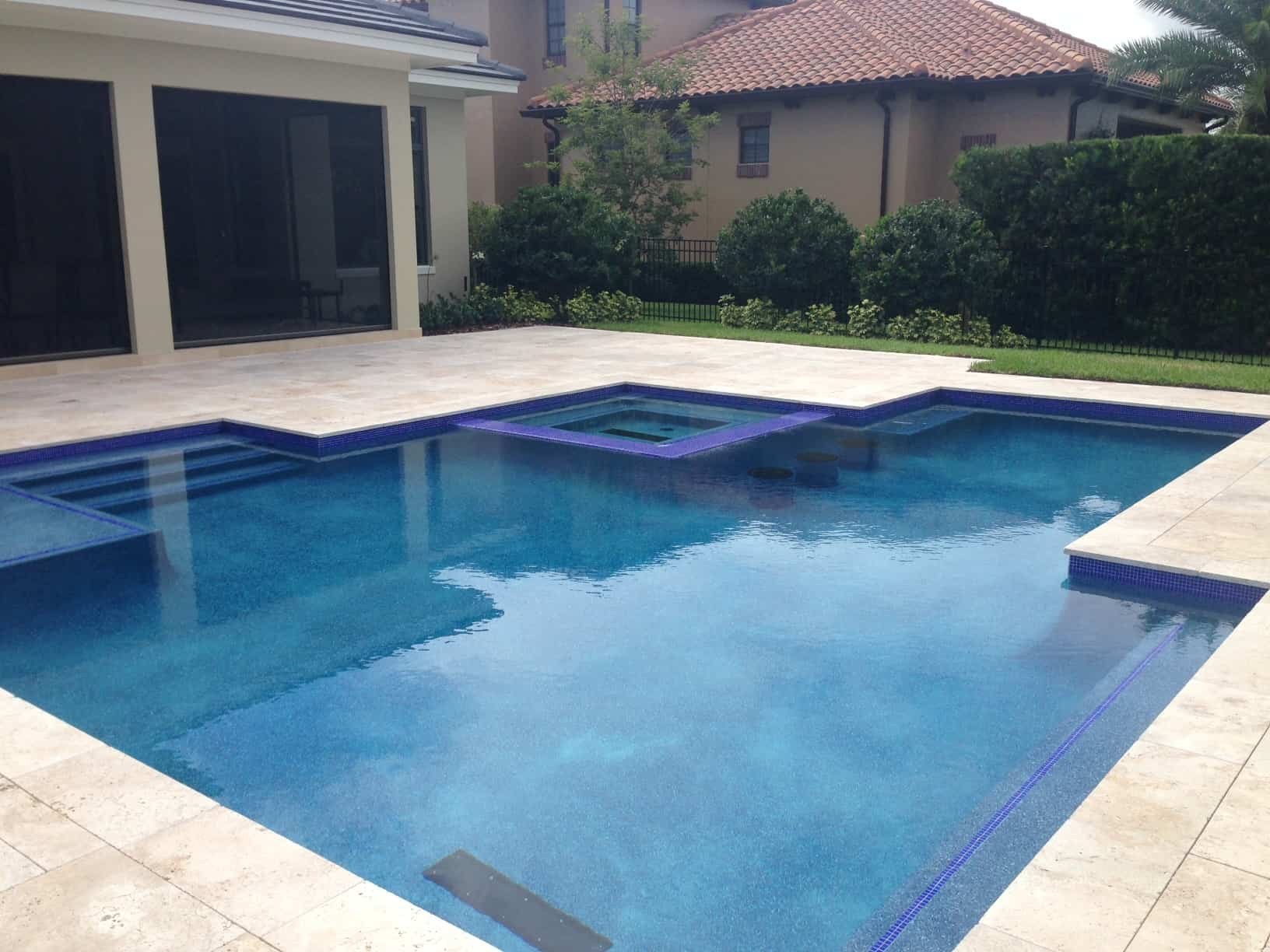
Pairing resurfacing with related upgrades
Resurfacing creates the most value when it is considered in context. A new interior finish next to faded tile, brittle mastic, and outdated coping can still improve the pool, but the transformation may feel incomplete. On the other hand, homeowners do not always need a full backyard overhaul.
The most common companion upgrade is waterline tile. Because resurfacing already involves draining and substantial pool work, replacing tile at the same time can be efficient. New tile sharpens the visual frame of the pool and makes the fresh interior read as intentional, not isolated. Replacing old fittings, drain covers, and lights can also help modernize appearance and improve safety.
Decking is more variable. If pavers or concrete are in good shape, resurfacing alone may be enough. If the deck is cracked, stained, or badly dated, the new finish can make those flaws stand out more. Good project planning means looking at the whole visual field before finalizing a finish choice.
What adds the most resale value
Not every buyer calculates pool upgrades line by line, but they absolutely form opinions that affect offers. The best value boosting resurfacing decisions usually share three traits: they solve a visible maintenance issue, they improve the pool’s visual appeal immediately, and they reduce the sense that major expenses are waiting.
For average resale scenarios, a clean, attractive quartz or well executed plaster finish often delivers strong practical value. For higher end properties, pebble tec pool finish Orlando installations and polished aggregate systems may better match buyer expectations. In either case, the pool should look current, coherent, and properly maintained.
There is also a threshold principle at work. Once a finish reaches a certain quality level and is installed well, value gains start depending more on fit than on sheer upgrade cost. A premium surface that feels mismatched to the house will not outperform a thoughtfully chosen mid range finish that suits the property.
Cost perspective without empty promises
It is tempting to search for a single number, but resurfacing cost in Orlando varies widely. Pool size, shape complexity, finish selection, prep needs, tile replacement, access, water features, and market labor rates all matter. A straightforward pool replastering Orlando job with standard materials will not land in the same budget range as a full pebble tec pool resurfacing project with tile, spa spillway work, and updated fittings.
What homeowners should focus on is value per year of useful life, not just contract total. A lower cost plaster finish may be entirely sensible if the home will be sold soon or if budget is tight. A more expensive aggregate finish may deliver better long term value if the owner plans to stay and wants durability with lower aesthetic aging.
That is why the phrase “pool resurfacing near me” only gets someone to the first step. The better question is which finish fits the pool, the home, the timeline, and the owner’s tolerance for future maintenance.
The finish that makes sense for your pool
The best resurfacing projects in Orlando are not defined by the most expensive material. They are defined by good judgment. A traditional plaster finish still has a place. Quartz offers a very convincing blend of durability and elegance. Pebble and polished aggregate create premium visual depth and often stronger long term satisfaction. Each can boost pool value when selected for the right reasons.
A pool should look inviting, feel comfortable, and reassure the next owner that major work has already been handled properly. That is the standard worth aiming for. When the finish meets that mark, the pool stops looking like a future expense and starts reading as one of the property’s strongest assets.
Classic Marcite is a swimming pool contractor in Orlando, FL, resurfacing and renovating residential and commercial pools since 1988: marcite plaster, quartz, Pebble Tec and polished aggregate finishes, pool remodeling, pool deck resurfacing, tile and coping replacement, and pool repair.
430 Fairvilla Road, Orlando, FL 32808 · Serving Orlando, Windermere, Dr. Phillips, Winter Park, Maitland, Lake Mary and Heathrow
Phone: (407) 521-6260
Website: classicmarcite.com
Find us on Google Maps