15 Expert Tips for Planning Pool Deck Repair in Orlando
A pool deck in Orlando works harder than many homeowners realize. It handles year-round sun, frequent rain, high humidity, sunscreen spills, furniture drag, and the constant expansion and contraction that comes with Florida weather. By the time damage becomes obvious, the surface often has more going on than a few hairline cracks. Staining, loose coping, hollow spots, slippery finishes, and shifting pavers can all point to deeper issues that need to be addressed before cosmetic work begins.
That is why planning matters as much as the repair itself. A well-planned project protects the budget, shortens downtime, and avoids the common mistake of resurfacing over problems that should have been corrected first. In the Orlando market, where outdoor living spaces see heavy use and weather exposure is relentless, the best results come from disciplined preparation and clear priorities.
Tip 1: Start with a diagnosis, not a finish sample
Many pool owners begin by choosing a color or texture. That is understandable. The finish is what everyone sees. Still, the first job is diagnosis. If your deck has cracks radiating from corners, sections that sound hollow underfoot, or areas where water consistently stands after a storm, those clues deserve attention before anyone talks about decorative coatings.
In practical terms, a proper inspection should look at the deck surface, the substrate beneath it, the slope for drainage, the condition of control joints, and the relationship between the deck and the pool shell. If the deck is separating from coping or the bond line tile is also failing, the project may involve more than surface repair. In some cases, homeowners searching for pool deck repair Orlando services discover that what looked like a finish problem is partly a movement problem.
A contractor with experience will distinguish cosmetic wear from structural distress. That distinction affects everything that follows, from material choice to sequencing to budget.
Tip 2: Separate urgent safety issues from appearance issues
Not every flaw carries the same weight. A faded surface can wait. A slick deck near the steps should not. A popped tile may seem minor, but if it exposes sharp edges where swimmers enter and exit, it becomes a safety concern immediately.
When I review older pool areas, I usually sort issues into two buckets: hazards and defects. Hazards include trip edges, unstable coping, slippery coatings, and sharp or loose tile. Defects include discoloration, worn sealers, minor surface crazing, and aesthetic mismatches. This simple distinction helps owners decide what must be handled now and what can be phased.
That approach is especially useful when a project grows beyond its original scope. You may begin with pool deck resurfacing Orlando in mind, then realize that the waterline tile is failing and sections of coping have started to shift. Once safety enters the equation, appearance can no longer drive every decision.
Tip 3: Respect Orlando’s climate when choosing timing
Central Florida does not have a traditional winter shutdown the way northern markets do, but that does not mean timing is irrelevant. Rain patterns, humidity, and surface temperatures affect cure times and job scheduling. Summer afternoon storms can interrupt prep and coating work. On the other hand, peak dry spells often fill contractors’ calendars quickly, particularly before the holiday season and spring entertaining months.
A realistic schedule should account for weather delays, permit timelines if needed, and the availability of materials. Specialty tile, coping stone, or custom color systems may take longer to source than homeowners expect. If the pool is a focal point for an event, build in buffer time. Finishing three days before a graduation party sounds efficient on paper. In the field, it is a gamble.
The best planning windows in Orlando often come from working backward from intended use rather than picking the first open week. If you want the deck ready by early spring, start conversations months ahead, not after New Year’s.
Tip 4: Understand whether resurfacing is enough
Resurfacing can transform a tired deck, but it is not a cure-all. A deck that is fundamentally sound but stained, weathered, or rough underfoot can be an excellent candidate for resurfacing. A deck with widespread substrate failure, severe settlement, or chronic drainage issues may need more extensive repair or partial replacement.
The difference matters because homeowners sometimes compare bids that are not solving the same problem. One proposal may involve cleaning, crack treatment, and a textured overlay. Another may include demolition of failed sections, base correction, drainage revisions, and a new finish. The second number will be higher, but it may also be the only durable option.
When discussing pool deck resurfacing Orlando contractors, ask what conditions would make resurfacing inadvisable. A credible answer should include examples, not sales language. If someone says every deck can simply be coated, treat that as a warning sign.
Tip 5: Pay close attention to drainage and slope
Standing water is one of the most expensive small problems in pool environments. It creates slip risks, accelerates surface breakdown, leaves mineral deposits, and often reveals that the deck was not pitched correctly to begin with. I have seen beautiful finish work ruined in one rainy season because the drainage issue under it never changed.
Walk the deck after a heavy Orlando rain. Notice where puddles remain after the surrounding areas dry. Watch where roof runoff discharges near the pool. Check whether water is washing back toward the house or collecting against screen enclosure posts. These details shape the repair plan.
A proper slope feels invisible when it is done well. You should not notice it while walking, but water should move decisively off the deck and away from structures. If your contractor does not discuss drainage early, bring it up. It is easier and cheaper to address before finish work begins.
Tip 6: Treat cracks with judgment, not optimism
Cracks make homeowners nervous, and for good reason. Still, not every crack means major failure. Some are stable shrinkage cracks with little movement. Others signal ongoing settlement or thermal stress. The difference should guide the repair method.
A stable hairline crack may be filled, bridged, or incorporated into a resurfacing system depending on the material used. A moving crack needs a more robust strategy, and in some cases should remain a designed joint rather than being hidden. Covering movement without accommodating it usually leads to reflective cracking, where the old crack reappears through the new finish.
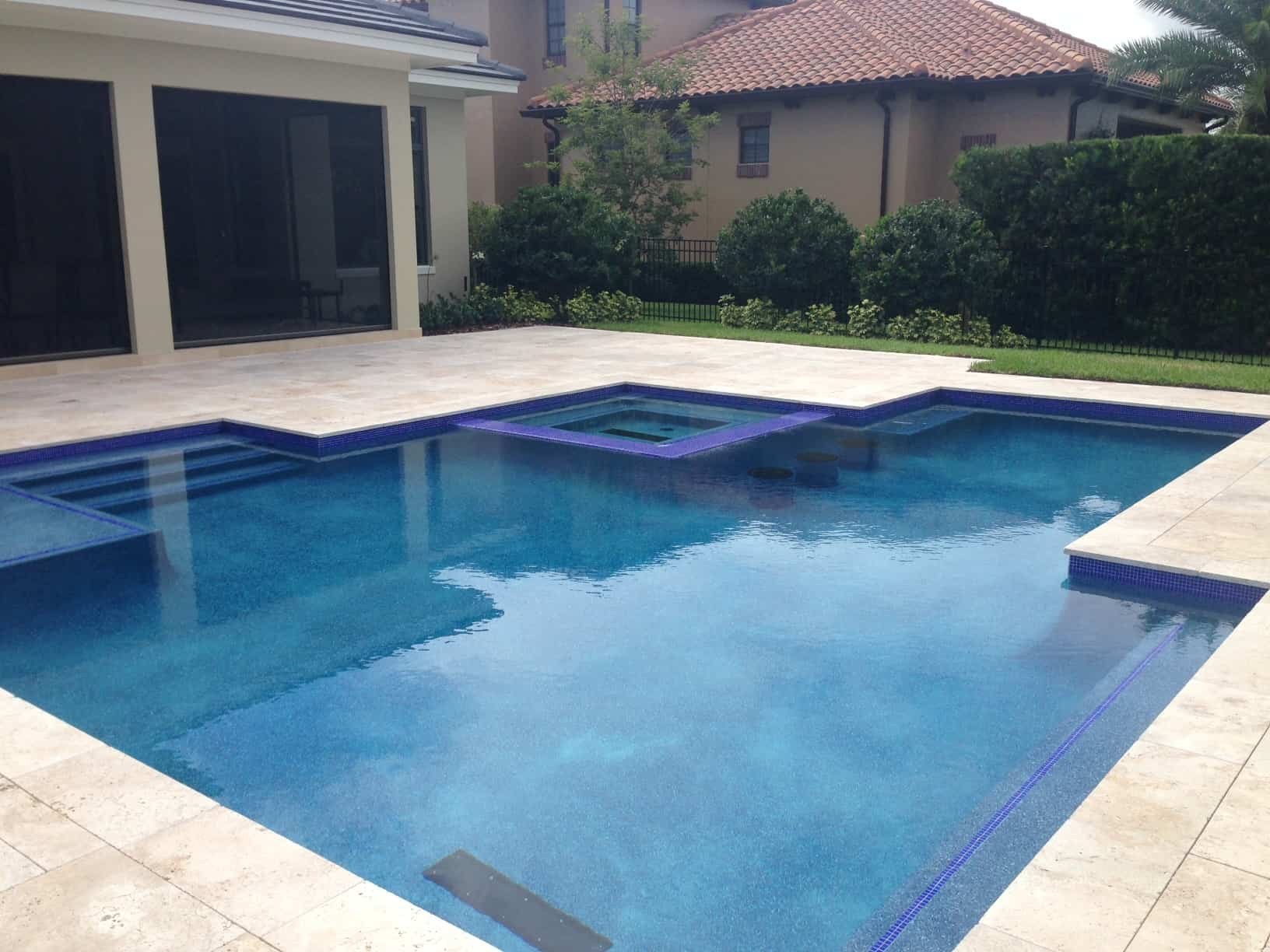
This is one area where honesty matters. A contractor who promises that every existing crack will disappear permanently is overpromising. The better answer is usually about risk management, expected performance, and where movement can reasonably be controlled.
Tip 7: Do not treat coping as an afterthought
The coping line is one of the hardest-working parts of the pool perimeter. It handles splashout, sun exposure, foot traffic, and movement between the deck and the pool structure. When coping starts to loosen or separate, the issue rarely stays isolated for long.
In Orlando, many renovation projects that begin as deck work end up including pool tile and coping replacement Orlando services because the materials age together. If the deck surface is being upgraded but the coping is chipped, dated, or unstable, the visual gap will be obvious. More importantly, the functional gap may lead to leaks, separation, or continued movement at the deck edge.
Good planning looks at the deck, coping, and tile as a system. You do not always need to replace all three. But you should at least evaluate all three before approving the scope.
Tip 8: Make tile decisions early, especially if matching matters
Tile replacement sounds simple until you try to match material installed ten or fifteen years ago. Manufacturers discontinue lines. Colors vary between dye lots. Sun fading changes what the existing tile actually looks like. If you are replacing only a section, an exact match may be difficult or impossible.
That is why pool tile replacement Orlando projects benefit from early decisions. If a perfect match cannot be found, you need time to choose whether to replace an entire wall, the full waterline, or a broader decorative band so the result looks intentional. Waiting until demolition begins is when owners feel cornered into choices they did not want to make.
Tile selection also affects schedule. Glass, porcelain, and natural stone each have different lead times, installation requirements, and maintenance implications. Around pools, slip resistance, edge detail, and chemical exposure matter just as much as color.
Tip 9: Choose materials for heat, slip resistance, and maintenance, not just style
A surface that looks elegant in a showroom can perform poorly on an Orlando pool deck. Dark finishes may run hot in direct sun. Smooth surfaces can become slick with splashout or sunscreen residue. Some decorative systems require more frequent resealing than owners expect. Others hide dirt well but trap mildew in texture if shaded and damp.
This is where practical questions beat broad aesthetic preferences. How hot does the material get at 2 p.m. In July. How does it feel barefoot. Can it be pressure washed without damage. Will leaves, pollen, and hard water show immediately. How often does it need resealing in local conditions.
If children, older adults, or frequent guests use the pool, comfort and traction should carry real weight. A handsome deck that nobody wants to walk on barefoot is a design failure, not a success.
Tip 10: Ask how preparation will be handled, because prep determines durability
Surface preparation is the least glamorous part of the job and often the most important. Cleaning, degreasing, grinding, repairing delaminated areas, opening cracks correctly, and creating a sound bond profile all affect how long the finished deck lasts. A top-tier coating installed over weak prep can fail faster than a modest system installed carefully.
You do not need to micromanage means and methods, but you should understand the general approach. Will the crew mechanically prepare slick or contaminated areas. How will they deal with previous coatings that are peeling. What is the plan for expansion joints. If repairs are made, how long must they cure before the finish is applied.
Homeowners often compare proposals line by line and focus on visible materials. The more useful comparison is often hidden in the prep section. If one estimate says “clean and coat” and another describes repair, profiling, crack treatment, and joint work, those are not equivalent scopes.
Tip 11: Clarify how the project will affect pool use and surrounding property
Pool deck repair rarely happens in isolation. Furniture must be moved. Screen enclosures may limit access for equipment. Landscaping can be affected by demolition or washdown. Pets and children need to be kept pool resurfacing orlando away from work zones. Depending on the repair, the pool itself may be usable during part of the project, or it may need to stay off-limits.
Before work starts, get a practical picture of daily disruption. One of the easiest ways to prevent frustration is to ask for a staged plan in plain language.
- Which areas will be inaccessible each day.
- Whether the pool can be used during any phase.
- How dust, noise, and debris will be controlled.
- Where materials and tools will be stored.
- What weather delays could do to the timeline.
That conversation is especially valuable in Orlando neighborhoods where homes sit close together and outdoor living areas are in constant use. Good contractors think through logistics, not just installation.
Tip 12: Build a budget that includes contingencies
A realistic budget for deck repair should include known work, desirable upgrades, and a contingency for conditions discovered after demolition or surface prep. Older decks often hide surprises. Loose substrate under one corner, failed mastic joints, rust-stained areas, or previous patchwork can all change the scope.
The exact contingency depends on the condition of the site, but setting aside a reserve is prudent. It is far better to make calm decisions with a planned cushion than to be forced into compromises halfway through the job. I have seen owners spend freely on decorative finish options, then hesitate over necessary drainage or coping repairs because they left no room in the budget. That is backward.
If you are comparing bids, ask each contractor what assumptions they made and what conditions would trigger a change order. Clear expectations at the start preserve trust later.
Tip 13: Vet the contractor for renovation experience, not just pool construction experience
New construction and renovation draw on overlapping skills, but they are not the same discipline. Repair work demands diagnosis, adaptation, and an eye for tie-in details. The crew has to work around existing conditions, identify hidden failures, and blend new materials with old surroundings. That takes patience and judgment.
When evaluating companies for pool deck repair Orlando or related tile and coping work, ask about renovation projects similar to yours. A contractor who primarily builds new pools may still be excellent, but the questions should be different. How do they handle substrate irregularities. What is their approach to matching elevations at doors and drainage points. How often do they perform pool tile and coping replacement Orlando rather than simple cosmetic updates.
Look at project photos with a critical eye. Uniform texture, clean edge transitions, neat joint work, and thoughtful drainage details tell you more than dramatic before-and-after shots alone.
Tip 14: Get specific about warranties and realistic about maintenance
Warranties matter, but only if you understand what they cover. Some cover product defects, others workmanship, and many exclude movement, improper drainage, chemical abuse, or normal wear. None of that is unreasonable, but vague assumptions cause problems later.
Ask for the maintenance expectations in quartz pool finish orlando Classic Marcite writing. That includes cleaning methods, resealing intervals if applicable, and chemicals to avoid. A resurfaced deck may need different care than plain concrete or pavers. Natural stone coping may require one kind of sealer, while porcelain tile needs a different approach. If your renovation includes pool tile replacement Orlando elements, ask whether grout or setting materials have any special care requirements during the first few weeks.
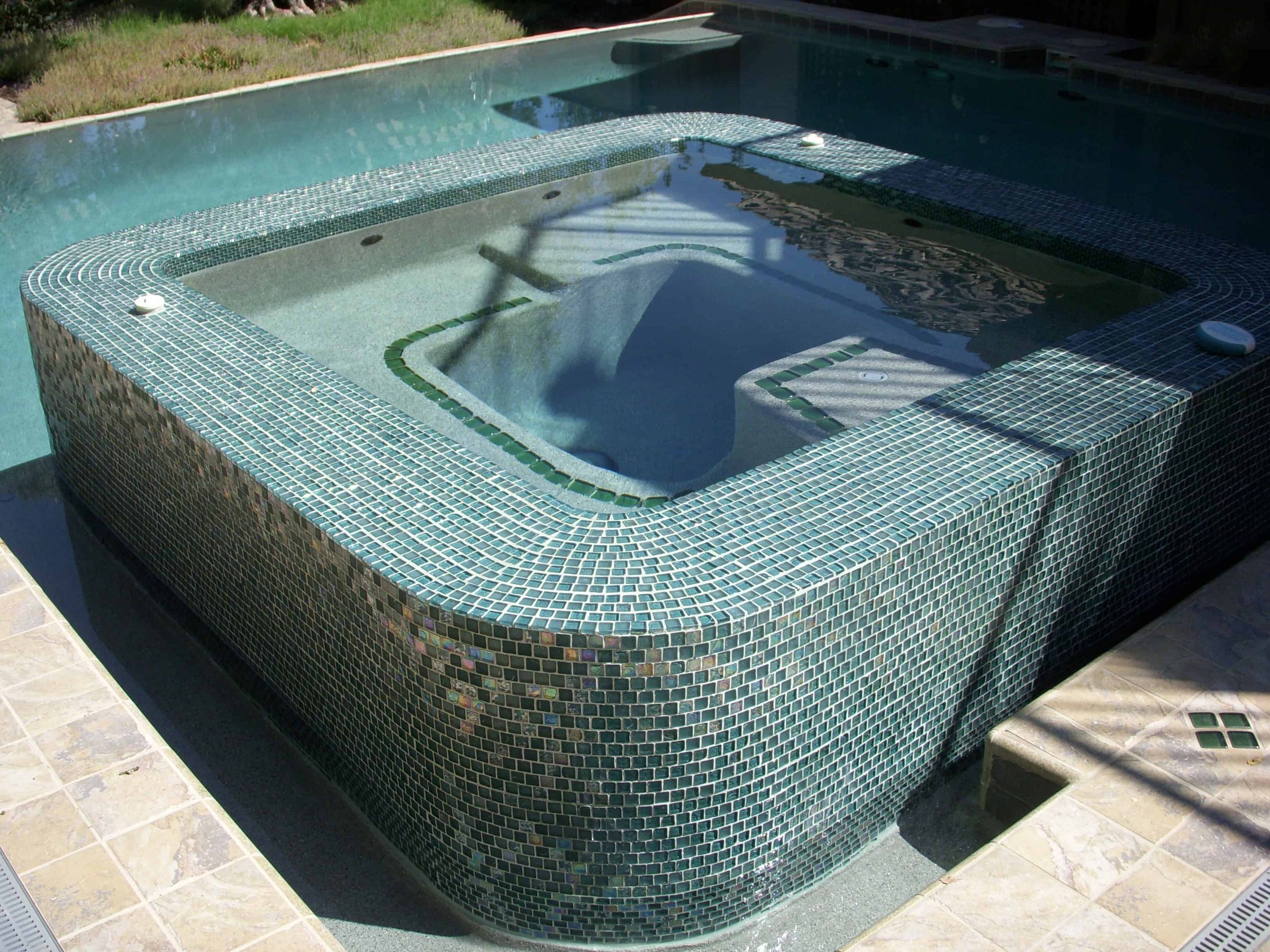
A well-installed surface still needs stewardship. Orlando’s climate is simply too demanding for neglect to go unnoticed.
Tip 15: Plan for the deck you will use five years from now
The smartest pool deck projects are not designed only for today’s defect list. They are planned around future use. Maybe the children are small now, but teenagers and guests will soon crowd the same space. Maybe a decorative finish that looked appealing at first glance will feel too formal for how your family actually lives outdoors. Maybe aging in place means traction and step clarity should outrank trend-driven color choices.
This long view often changes renovation decisions in useful ways. Owners choose cooler surfaces because they know the deck gets full afternoon sun. They widen the scope to include coping replacement because piecemeal repairs will only postpone disruption. They simplify patterns that would be difficult to patch later. They prioritize timeless materials over flashy finishes that may date quickly.
A practical planning mindset also helps when deciding between partial and comprehensive work. Sometimes a limited repair is exactly right. Other times, doing half the project means paying twice for mobilization, cleanup, and disruption. The best choice depends on condition, budget, and how long you intend to keep the property, but the five-year view usually brings clarity.
A short pre-construction check before you sign
By the time you are ready to hire, most major decisions should already be made. This final review helps prevent avoidable mistakes.
- Confirm the scope in writing, including prep, repairs, finish materials, tile, coping, and cleanup.
- Verify color selections, texture expectations, and any samples or mockups discussed.
- Review the projected schedule with allowance for Orlando weather delays.
- Clarify payment milestones and what triggers change orders.
- Make sure maintenance and warranty terms are documented before work begins.
Those five points may sound simple, but they resolve many of the disputes that sour otherwise good projects.
The difference between a quick fix and a durable repair
A pool deck can often be made to look better quickly. Making it perform better takes more discipline. In Orlando, that means respecting moisture, heat, movement, and the way outdoor spaces are actually used. It means seeing the deck, tile, and coping as connected parts rather than isolated surfaces. It means choosing a contractor who explains trade-offs instead of promising that every issue has an easy cosmetic solution.
The owners who are happiest a year after the project are rarely the ones who chased the lowest number or the fastest start date. They are the ones who asked sharp questions, understood the condition of the substrate, budgeted for what might be uncovered, and selected materials that fit their lifestyle. Whether your project is limited to pool deck resurfacing Orlando work or expands into full pool tile and coping replacement Orlando, the planning phase is where value is created.
A well-repaired deck should do more than photograph well on completion day. It should feel safe after rain, stay comfortable underfoot, handle another Florida summer with poise, and make the whole pool area easier to enjoy. That result starts long before the first bag of material is opened.
Classic Marcite is a swimming pool contractor in Orlando, FL, resurfacing and renovating residential and commercial pools since 1988: marcite plaster, quartz, Pebble Tec and polished aggregate finishes, pool remodeling, pool deck resurfacing, tile and coping replacement, and pool repair.
430 Fairvilla Road, Orlando, FL 32808 · Serving Orlando, Windermere, Dr. Phillips, Winter Park, Maitland, Lake Mary and Heathrow
Phone: (407) 521-6260
Website: classicmarcite.com
Find us on Google Maps